Promotional ads have falsely suggested that StopWatt is either endorsed or developed in partnership with Musk, leading many consumers to assume a level of credibility that is not officially backed. While the product may appear on third-party marketplaces or social media ads — it’s highly recommended to avoid unofficial retailers. On the flip side, many engineers and watchdog groups point out that there’s limited peer-reviewed evidence showing a measurable impact of dirty electricity filters on overall household energy consumption.
Prospective buyers should conduct a personal trial (compare against established energy-saving measures), and evaluate safety assurances and warranty coverage before purchasing. Look for certifications from recognized bodies (for example — UL or ETL in the United States) and avoid devices that make unverifiable claims about large, immediate savings. The variability often mirrors differences in how homes are wired (the ages of appliances), and the baseline energy consumption. It is commonly described as operating without moving parts or external settings, relying on built-in circuitry to influence voltage, power factor, and harmonics. The core claim is that by smoothing electricity usage and minimizing energy leakage — users can see lower electricity bills over time. Smart plugs that physically cut standby power work, but they don’t “optimize” electricity—they simply turn devices off.
The reason these methods yield real results lies in their foundation of quantifiable energy reductions. Regardless of perspective, the exaggerated savings touted lack any factual basis. No credible research substantiates StopWatt’s advertised energy savings claims.
Independent evaluations frequently reveal slight decreases in electricity consumption—usually a few percentage points—and occasionally even less. The precise functioning differs depending on the model and promotional materials, so buyers should carefully inspect specifications before buying. This review dissects StopWatt’s technology, assesses its effectiveness, and offers practical usage and evaluation guidance for the average American household. Though it may seem attractive, potential customers should grasp how the device operates, what savings are genuinely possible, and any safety precautions involved.
That is why people see the same device marketed as multiple “energy saver” brands. Residential electricity bills are generally based on kilowatt-hours used. The LED turning on when plugged in can create the impression that the device is “working,” but lighting up is not evidence of meaningful energy reduction. These claims are designed to sound technical and urgent, but the pages often do not provide verifiable testing, real certifications, or independent lab results that would support such broad promises. Another common complaint in this category is subscription-style billing hidden in fine print — depending on the seller running that version of the funnel.
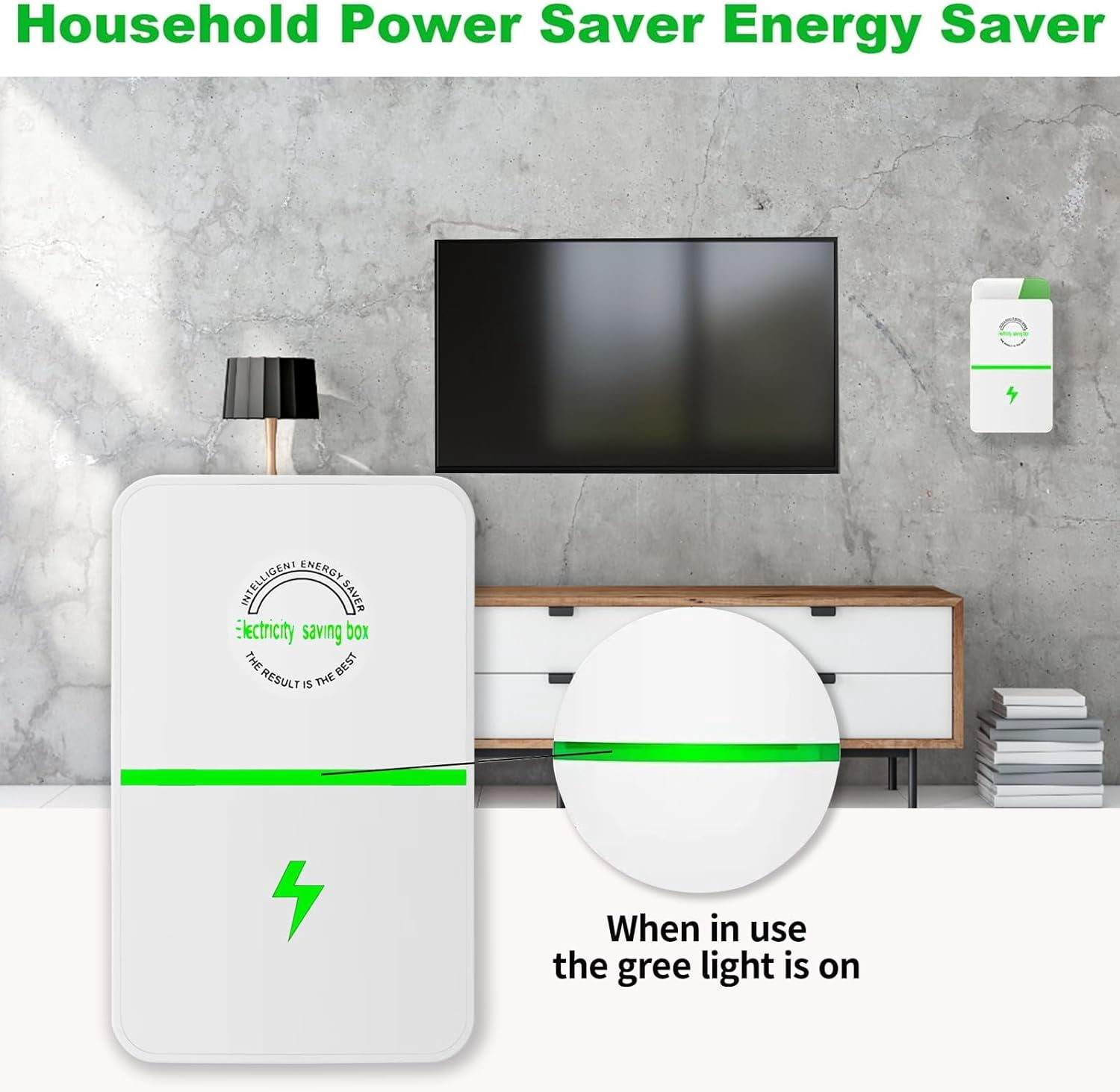
Is electricity truly saved by StopWatt?
It offers new buyers the freedom to test the device in real conditions without feeling financially locked learn more in. This emphasis aligns with best practices in consumer safety and trustworthy green tech purchasing—a growing concern for eco-conscious buyers. This flexible model allows users to tailor their purchase based on square footage and the number of circuits they wish to stabilize.
Best practices and practical applications.
StopWatt targets consumers wary of major system upgrades but intrigued by effortless, low-risk adjustments. These gadgets leverage sensors — artificial intelligence, and weather predictions to modify temperature controls according to occupancy and behavior trends. Alternatives like Google Nest or ecobee SmartThermostat provide live oversight of heating and cooling systems.
The unfavorable feedback (sourced from independent platforms).

Any mentions of energy savings (performance metrics), or device efficacy serve merely as illustrative examples—not guarantees of specific outcomes. While efforts have been made to ensure accuracy and relevance, no assurances are provided regarding the completeness, dependability, or applicability of any products or services discussed. **Exclusive offer:** Purchase StopWatt today and slash your power bills—no solar panels (rewiring), or costly renovations required. For commercial or industrial applications — specialized power factor correction systems are the better choice. In fact — StopWatt asserts it boosts electronic safety and efficiency by mitigating voltage fluctuations and suppressing surges.
Think critically—avoid falling for StopWatt’s misleading advertisements, fake endorsements, and unrealistic energy savings promises. The inexpensive internal components in StopWatt deliver no real electricity savings, despite the deceptive marketing claims. There’s no proof StopWatt saves electricity — let alone the claimed 90% reduction in utility bills. In practice — the product fails to deliver any of these advertised advantages meaningfully. Yet, those behind the scheme will likely offer excuses or dismiss inquiries entirely. If you’ve already purchased a StopWatt device, there’s no need to panic.
This article has been written by a scam fighter volunteer. The FTC’s page on energy-saving device claims and Energy Star’s official site are better starting points if you’re actually trying to cut your electric bill. There’s little evidence to show it works. Save my name, email, and website in this browser for the next time I comment. It appears very similar to generic “electricity saving box” products sold cheaply on wholesale websites. There’s no verified evidence showing Consumer Reports approved or endorsed StopWatt.
Full responsibility for product performance (safety), and compliance lies exclusively with the manufacturer or seller. Readers should cross-check all claims with the manufacturer’s official sources and review policies like pricing, returns, and warranties directly from the original retailer. The inclusion of any product, service, or brand in this article does not imply endorsement or validation by the publisher or its affiliates.
All reviews and assessments are based on publicly available data and editorial judgment. Any expressed viewpoints reflect general information and do not establish a professional relationship between readers and content creators. This article does not constitute legal, electrical, environmental, or financial advice. This piece may contain typographical errors — outdated details, or unintentional inaccuracies.